Indonesia
Connected intelligence across islands.
Indonesia’s geography makes equitable service delivery and supply coordination complex. SATUSEHAT creates an important national interoperability context, while JKN financing adds a significant reimbursement dimension.
Issues reported in Indonesia and how we can help
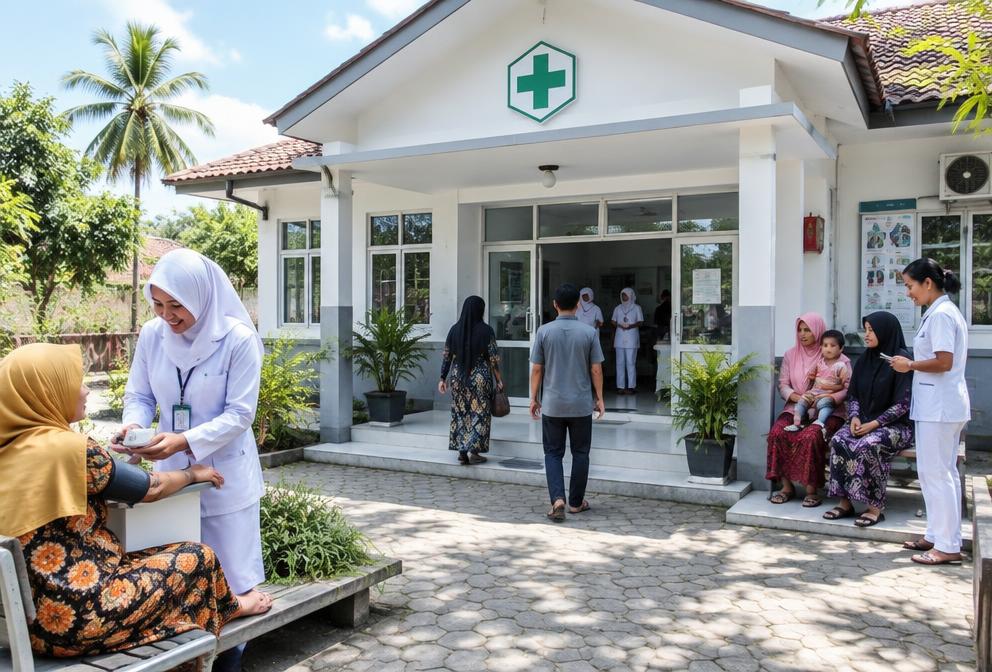 Only 24% of Indonesian hospitals meet national facility standardsTempo · Nov 2025Issue: Most hospitals fall short of facility standards.How EXFLOW can help: Operational dashboards can show resource and capacity gaps per facility to prioritise improvement. Healthcare Operations →
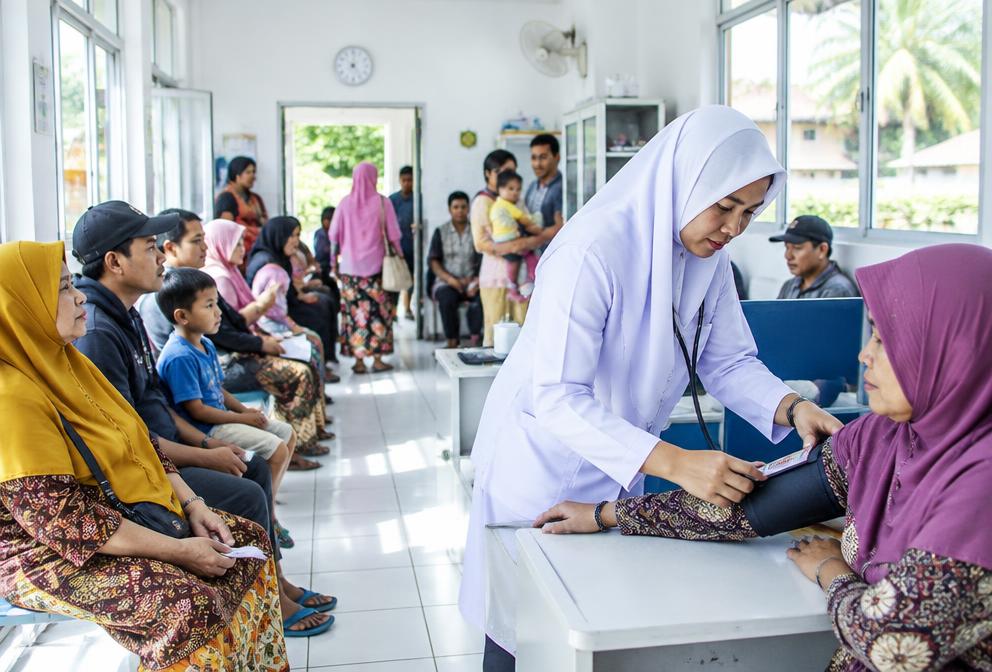 38.8% of Indonesia’s public health centers lack sufficient medical staffTempo · Oct 2025Issue: Puskesmas are understaffed across regions.How EXFLOW can help: Workforce scenario modelling helps allocate staff across dispersed facilities. Human Productivity →
 Indonesia reviews medicine pricing and availability to strengthen equitable accessWHO · Jul 2025Issue: Medicine availability is uneven across the archipelago.How EXFLOW can help: Supply-chain AI can forecast demand and replenishment across island logistics. Healthcare Supply Chain →
News articles are third-party reporting. Our responses describe proposed applications, not existing deployments or endorsements.
The local healthcare landscape
- Uneven access and logistics across an extensive archipelago.
- Fragmented facility data and different levels of digital readiness.
- High administrative demands around referrals and national health insurance.
Public healthcare
Support district and referral hospitals with resource planning, stock availability and operational coordination within existing public-health responsibilities.
Private healthcare
Help hospital groups assess referral administration, JKN claims readiness and capacity across facilities with locally validated connections.
Policy, roadmaps & standards
National direction
The Ministry of Health’s Digital Health Transformation Strategy and SATUSEHAT emphasize interoperable health information. Any proposed implementation should align with current national exchange specifications and BPJS Kesehatan processes.
Implementation requirements
SATUSEHAT uses HL7 FHIR-based interfaces with defined data profiles and terminologies. Confirm current profiles, ICD mappings, local privacy law requirements and JKN/INA-CBG reimbursement rules with relevant authorities.
Where connected AI could make a difference
Patients
Coordinate appointment and referral administration to reduce unnecessary repeat journeys, especially between island and regional facilities.
Physicians
Improve visibility of operational handoffs and referral readiness, without introducing unvalidated diagnostic tools.
Providers
Evaluate medicine replenishment, staff capacity and referral-demand scenarios across geographically dispersed facilities.
Payers
Assess completeness and consistency of JKN-related administrative submissions with human-led exception handling and appeal routes.
Policymakers
Compare aggregated access and resource-use indicators across regions, ensuring data-sharing authority and equitable allocation.
These are proposed operational applications. They do not establish clinical efficacy, regulatory compliance or a deployed country solution. Diagnosis, treatment, coverage and public-policy decisions remain with accountable professionals.
A practical implementation pathway
Confirm SATUSEHAT profiles, facility readiness and the chosen operational use case.
Map permitted hospital, referral and reimbursement data.
Pilot in a defined facility network with local workforce training.
Assess access and logistics outcomes before regional scaling.
Policy & context references
Reference context reviewed October 2026. Policies and implementation requirements can change; verify current official guidance before deployment.
Let’s move healthcare forward. Together.
Start a conversation about your country, your challenges and your next step.