Philippines
Connecting care across communities.
The Philippines’ universal-health-care reforms place importance on primary care and integrated local networks. Geography, decentralization and workforce gaps make referral and operational coordination particularly relevant.
Issues reported in Philippines and how we can help
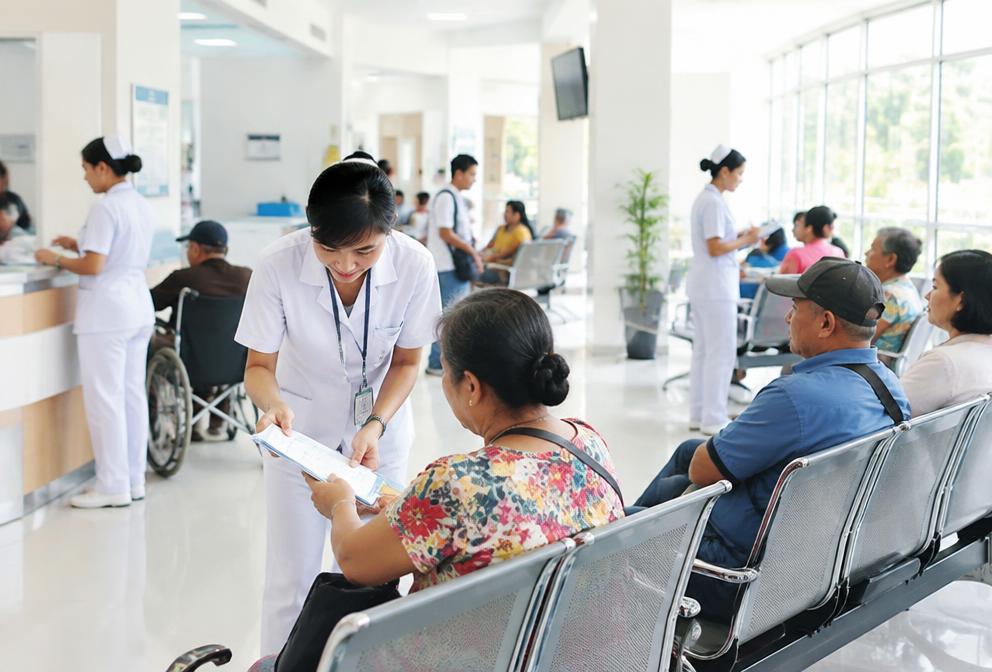 Workforce crisis: labor shortage stalling PHL’s Universal Health Care pushDaily Guardian · May 2025Issue: Health-worker shortages are slowing UHC.How EXFLOW can help: Productivity tools and training aim to free clinician time from administrative work. Human Productivity →
 Cayetano warns of ‘double whammy’ if DOH lags in AI adoptionManila Bulletin · Nov 2025Issue: Migration of health workers and slow AI adoption.How EXFLOW can help: Practical AI training helps teams adopt governed AI tools responsibly. EDNS Productivity Training →
 Poor internet threatens PH healthcare, doctors warnContext.ph · Jul 2025Issue: Connectivity limits digital health.How EXFLOW can help: Deployments would be designed for intermittent connectivity and staged data sync where needed. Custom Enterprise AI Applications →
News articles are third-party reporting. Our responses describe proposed applications, not existing deployments or endorsements.
The local healthcare landscape
- Uneven service access across islands and local government areas.
- Fragmented administrative workflows between local providers and referral hospitals.
- Workforce pressure and complex reimbursement documentation.
Public healthcare
Support local government health networks with workforce, referral and service-capacity planning.
Private healthcare
Explore hospital administrative coordination and reimbursement-documentation quality across participating private providers.
Policy, roadmaps & standards
National direction
The Department of Health’s 8-Point Action Agenda 2023–2028 and Universal Health Care reforms provide an implementation context. Local health-system integration and PhilHealth requirements should guide each pilot.
Implementation requirements
Review the Data Privacy Act, DOH health-information requirements, ICD coding and current PhilHealth claim specifications. Confirm interoperability arrangements with local government and facility systems.
Where connected AI could make a difference
Patients
Coordinate primary-care appointments and referral handoffs to reduce administrative barriers between community and hospital services.
Physicians
Make referral readiness and administrative follow-ups more visible to physicians without changing clinical authority.
Providers
Evaluate staff deployment and capacity across local networks, with transparent criteria and local consultation.
Payers
Assess claim-documentation consistency and exceptions against PhilHealth rules; retain human decisions and appeal pathways.
Policymakers
Monitor aggregated access and coordination gaps across local health systems while limiting sensitive data sharing.
These are proposed operational applications. They do not establish clinical efficacy, regulatory compliance or a deployed country solution. Diagnosis, treatment, coverage and public-policy decisions remain with accountable professionals.
A practical implementation pathway
Select an LGU or provider-network priority within UHC responsibilities.
Confirm consent, data-sharing agreements and PhilHealth specifications.
Pilot a referral or claim-documentation workflow.
Evaluate patient access and administrative workload before scaling.
Policy & context references
Reference context reviewed October 2026. Policies and implementation requirements can change; verify current official guidance before deployment.
Let’s move healthcare forward. Together.
Start a conversation about your country, your challenges and your next step.