Timor-Leste
Practical intelligence for essential care.
Timor-Leste’s health-sector planning emphasizes service access, maternal and child health, and health-system capacity. Digital foundations and reliable resource information are prerequisites for responsible AI adoption.
Issues reported in Timor-Leste and how we can help
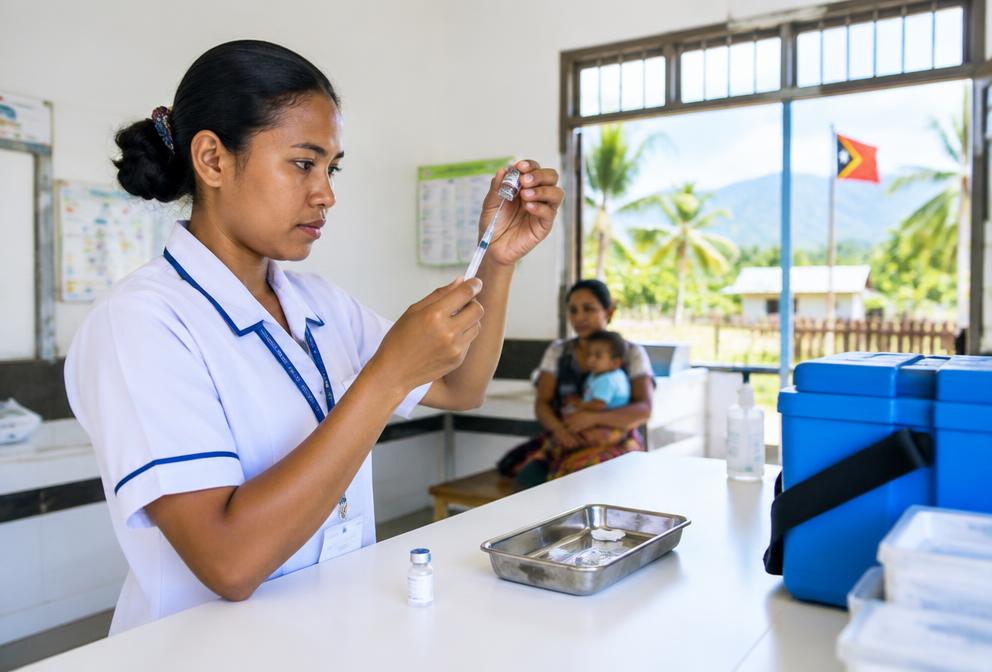 Timor-Leste’s next big health test: true universal health care for allWHO · Dec 2025Issue: Achieving universal care with limited resources.How EXFLOW can help: Planning tools can help prioritise scarce resources across municipalities. Healthcare Operations →
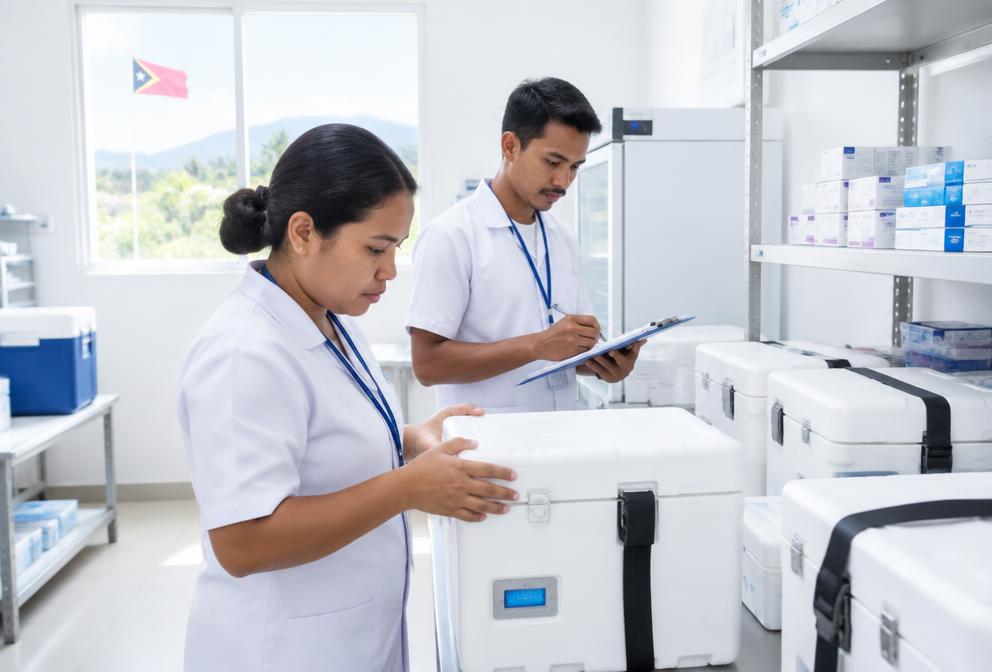 National Hospital warns of rabies vaccine shortage, urges WHO supportTATOLI · Jul 2025Issue: Vaccine and medicine stock-outs.How EXFLOW can help: Supply forecasting can flag stock risks earlier. Healthcare Supply Chain →
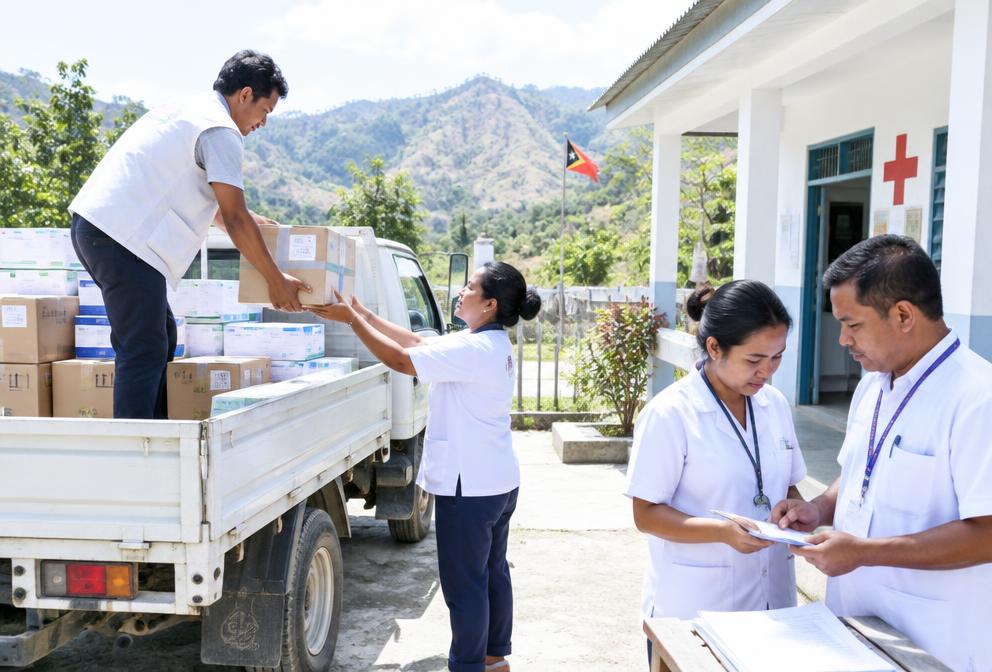 Opposition asks government to improve medicine distribution to health units (Tetum)TATOLI · Jul 2025Issue: Medicine distribution to health units is weak.How EXFLOW can help: Distribution planning could improve delivery to remote facilities. Healthcare Supply Chain →
News articles are third-party reporting. Our responses describe proposed applications, not existing deployments or endorsements.
The local healthcare landscape
- Remote-community access and referral logistics.
- Limited workforce and infrastructure capacity.
- Foundational data quality and connectivity requirements.
Public healthcare
Explore essential-supply and service-capacity planning for public facilities and community outreach.
Private healthcare
Where relevant, coordinate authorized non-government and private service administration within national priorities and safeguarding requirements.
Policy, roadmaps & standards
National direction
The National Health Sector Strategic Plan 2011–2030 provides a long-term context. Current ministry priorities and reporting arrangements should guide a locally owned implementation; historical plans do not establish current technical readiness.
Implementation requirements
Confirm Ministry of Health reporting requirements, relevant DHIS2 workflows and appropriate coding. Plan for Tetum and Portuguese language needs, limited connectivity, secure access and minimal data collection.
Where connected AI could make a difference
Patients
Improve predictability of essential-service availability and referral administration for remote communities.
Physicians
Support resource and referral coordination for frontline staff without making automated clinical decisions.
Providers
Compare medicine and staffing needs across facilities using dependable, minimal operational data.
Payers
Support transparent planning of public and programme resources, with verified financing rules and audit oversight.
Policymakers
Assess geographic access and service readiness using appropriately aggregated data, avoiding sensitive individual tracking.
These are proposed operational applications. They do not establish clinical efficacy, regulatory compliance or a deployed country solution. Diagnosis, treatment, coverage and public-policy decisions remain with accountable professionals.
A practical implementation pathway
Agree national and local ownership and a small essential-service use case.
Establish reliable data collection, language and connectivity arrangements.
Pilot resource or outreach-capacity planning with human oversight.
Evaluate sustainability and equitable access before expansion.
Policy & context references
Reference context reviewed October 2026. Policies and implementation requirements can change; verify current official guidance before deployment.
Let’s move healthcare forward. Together.
Start a conversation about your country, your challenges and your next step.